Color Pencils with Soft Core for Blending.

Color pencils with soft core for blending are the go-to tool for artists who want to achieve smooth gradients, rich layering, and professional-quality artwork. Whether you’re a beginner picking up your first set or an experienced illustrator looking to upgrade your toolkit, understanding what makes a soft-core colored pencil exceptional — and how to use it — can transform your art entirely.

What Are Soft Core Color Pencils?

Soft core colored pencils are a type of artist-grade pencil that features a wider, wax-rich or oil-based pigment core. Unlike student-grade hard core pencils, the soft lead in these pencils deposits pigment more generously onto paper, making them ideal for smooth color blending, layering, and burnishing techniques.

The core diameter in soft pencils typically ranges from 3.8mm to 4mm or wider, allowing for both fine detail work and broad coverage. Artists across disciplines — from portrait drawing to botanical illustration — rely on soft lead colored pencils because they respond intuitively to pressure changes, producing a seamless transition between shades.
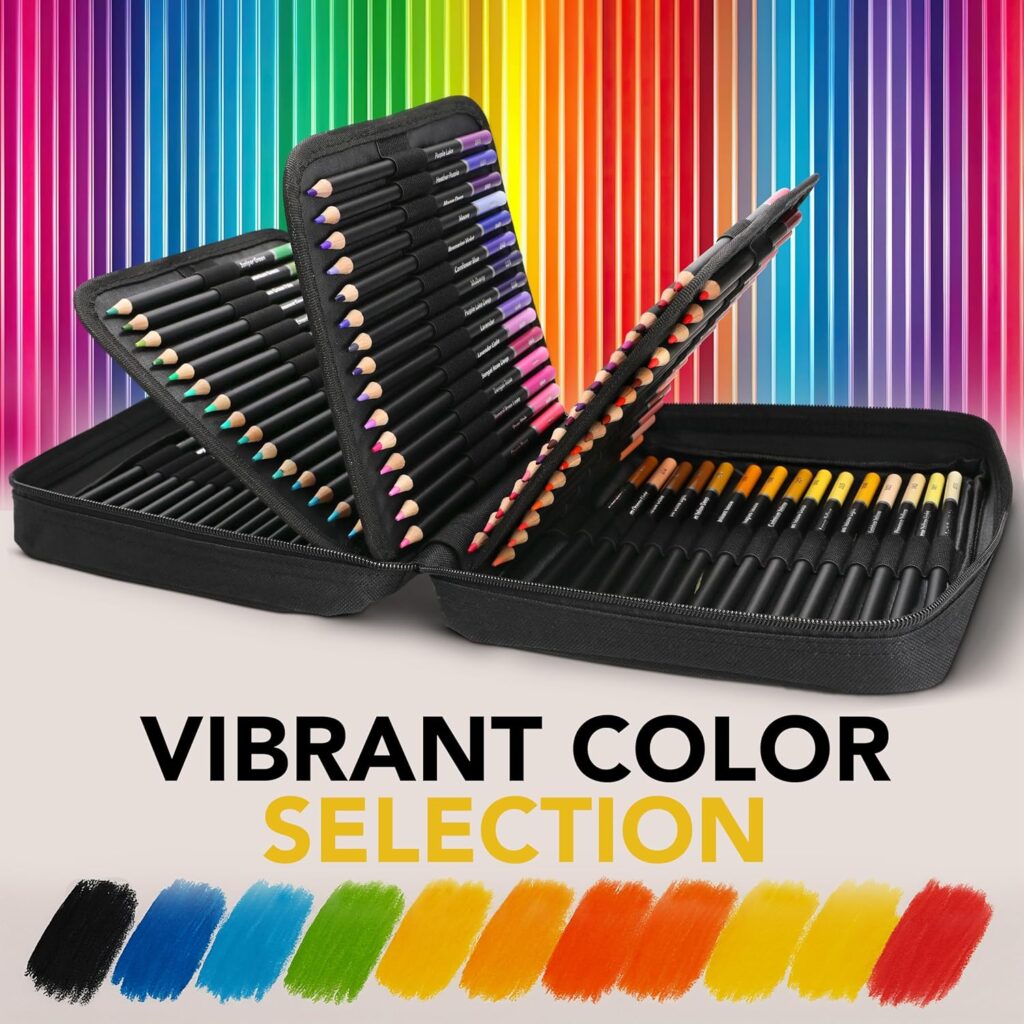
Color Pencils with Soft Core for Blending

Why Soft Core Pencils Are Best for Blending.

The key advantage of blendable colored pencils lies in their pigment composition. Soft core pencils are formulated with a higher wax or oil content, which means:

  • Effortless color layering: Pigments blend into one another without pilling or tearing paper.
  • Vibrant color payoff: High pigment concentration delivers intense, saturated hues in fewer strokes.
  • Smooth gradient transitions: Perfect for color pencil gradient techniques like circular blending, cross-hatching, and feathering.
  • Burnishing compatibility: Soft cores respond beautifully to burnishing — using a white pencil or colorless blender to fuse layers together into a smooth, paint-like finish.

For artists interested in realistic colored pencil drawing, soft core pencils are virtually irreplaceable. The ability to build up multiple translucent layers — known as glazing — produces depth and luminosity that hard pencils simply cannot achieve.

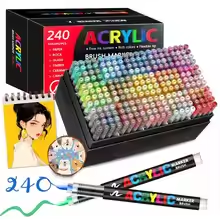
Colors Acrylic Paint Pen Markers Acrylic Felts Brush Tip Paint Markers For Wood Rock Painting Canvas

Top Techniques for Blending with Soft Core Pencils.

astering colored pencil blending techniques takes practice, but the right tools make it significantly easier. Here are the most effective methods:

1. Layering and Glazing.

Apply light, even layers of color, working from light to dark. Each layer should be applied in the same direction for consistency. With soft pigment pencils, colors naturally intermingle as you build up layers, creating rich, complex hues.

2. Circular Blending.

Using small circular motions, overlap two or more colors in the transitional zone. Soft cores release pigment smoothly, preventing harsh lines and creating a seamless color transition

3. Colorless Blender Pencil.

A colorless blender — essentially a wax core with no pigment — is the secret weapon for blending artist pencils. Pressed over layered colors, it dissolves the wax binder and fuses pigments together, producing a polished, almost airbrushed effect.

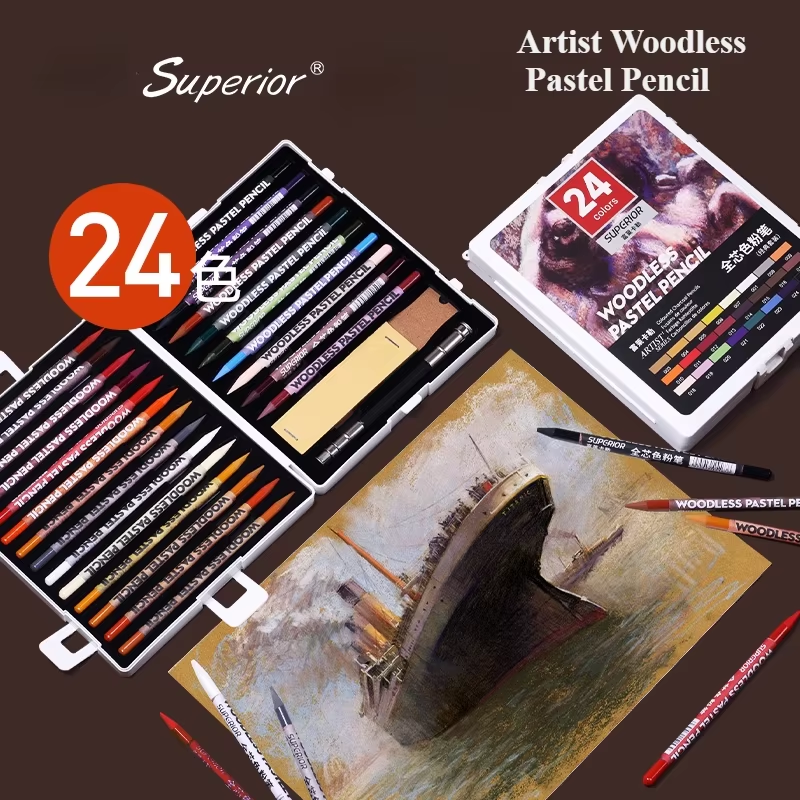
Woodless Pastel Pencils 24 Colors 7mm Core Artist Grade Chalk Charcoal Pencil Great Blending and Layering Sketching in Case

4. Solvent Blending.

Odorless mineral spirits or isopropyl alcohol applied with a cotton swab or brush can dissolve the wax in wax-based colored pencils, spreading pigment fluidly. This technique mimics watercolor washes and is especially effective with oil-based varieties for achieving smooth shading with pencils..

5. Finger or Blending Stump.

Direct pressure from a finger or tortillon (blending stump) gently pushes pigment into paper grain, softening edges and merging adjacent colors — ideal for backgrounds and atmospheric effects.

Best Paper for Soft Core Blending Pencils.

Even the best professional colored pencils won’t perform well on the wrong paper. For blending, choose:

  • Smooth bristol board — minimal tooth allows pigment to glide and blend easily.
  • Velour paper — velvety surface grips soft pigment beautifully for painterly results.
  • Colored pencil-specific paper — brands like Stonehenge or Fabriano Artistico offer the ideal texture and weight for layering colored pencils.

Avoid standard copy paper, which is too thin and lacks the tooth needed to hold multiple pigment layers.

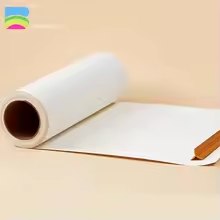
Watercolor Paper Roll 100% Cotton 300g

Recommended Soft Core Colored Pencil Sets.

When shopping for the best soft core pencils for artists, look for these trusted options:

  • Prismacolor Premier — widely considered the gold standard for wax-based soft core blending; smooth, richly pigmented, and available in 150+ colors.
  • Faber-Castell Polychromos — oil-based formula delivers exceptional lightfastness and precise blendability.
  • Derwent Lightfast — premium oil-based pigment sticks with outstanding color vibrancy and longevity.
  • Caran d’Ache Pablo — oil-based Swiss-made pencils beloved for their silky consistency and archival quality.

Each of these artist-grade colored pencils offers a soft, responsive core designed specifically for the kind of detailed blending work that elevates illustrations from good to extraordinary.

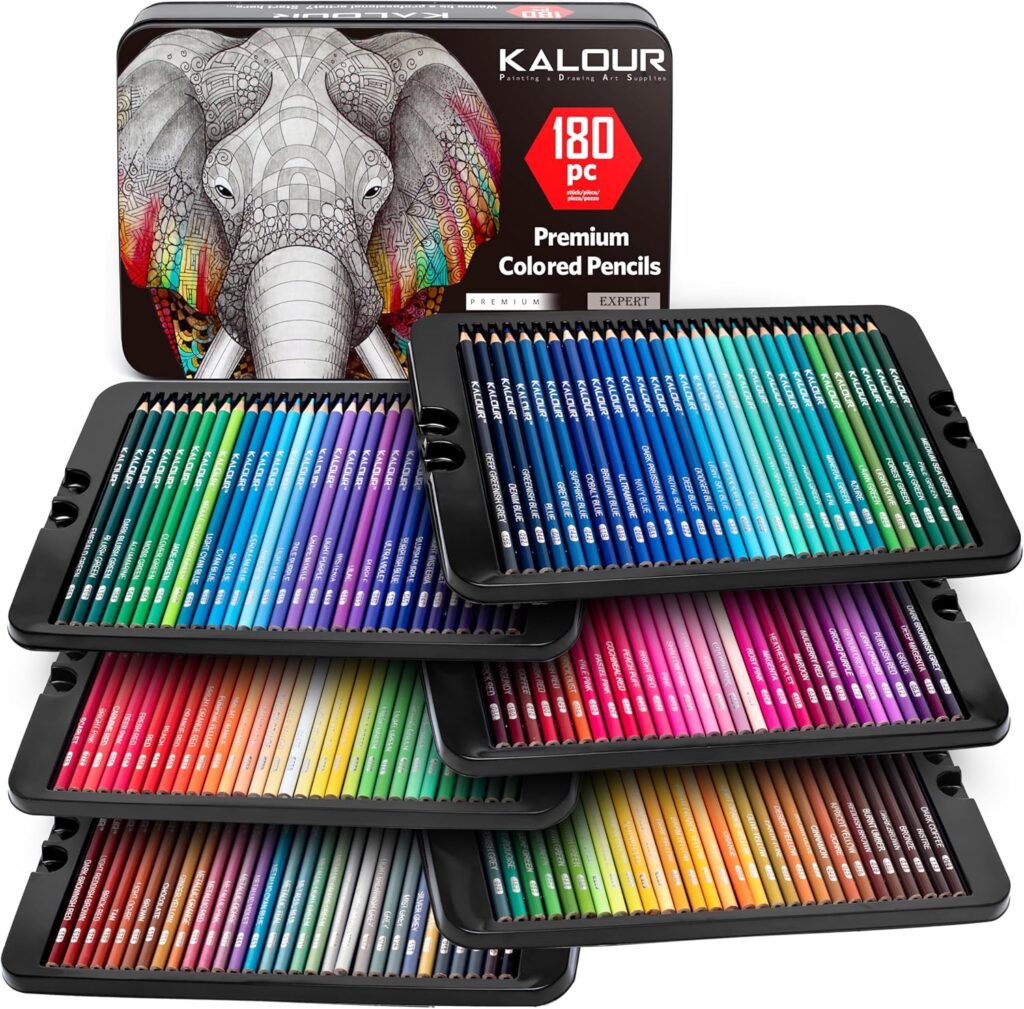
KALOUR 180 Colored Pencil Set for Adults Artists - Rich Pigment Soft Core

Tips for Getting the Most Out of Soft Core Pencils.

  • Keep your pencils sharp: A fine point allows precise color placement even with a soft core.
  • Work light to dark: It’s easier to deepen a value than to lighten it. Start with pale tones and build intensity gradually.
  • Use a light touch: Let the pencil do the work. Heavy pressure too early fills the paper’s tooth and prevents further layering.
  • Store pencils carefully: Soft cores are more fragile and prone to breakage. Store them horizontally or in a padded case.

Test on scrap paper: Always test new pigment blending pencils on a scrap of the same paper before committing to your final artwork

Final Thoughts.

Investing in color pencils with soft core for blending is one of the most impactful decisions an artist can make. From smooth gradients and luminous layers to painterly finishes achieved through solvent blending, soft core pencils open up a world of creative possibilities that hard pencils simply cannot match.

  • Whether you choose wax-based classics like Prismacolor or oil-based precision tools like Polychromos, the combination of quality blendable colored pencils, the right paper, and practiced technique will produce stunning, professional results. Start experimenting with the blending methods above, and watch your colored pencil artwork reach an entirely new leve

Leave a Comment

Your email address will not be published. Required fields are marked *

Scroll to Top